
 Amy Fischer
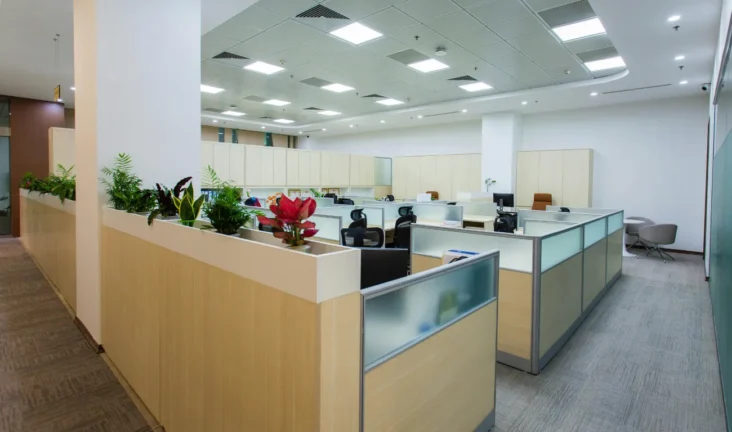
foxydroom com is a dedicated online platform that helps people take control of their physical environments through practical space management techniques. This guide delivers a complete roadmap for turning messy, underused areas into organized, high function zones that improve daily life.
The insights covered here range from the financial impact of unused square footage to emerging design trends like invisible storage and dual purpose architecture. I have explained which organizational methods deliver the fastest return on effort, the hidden errors that make rooms feel suffocating, and a room by room system for spotting inefficiency. Reading further will equip you with a clear action plan to transform your property without hiring contractors or taking out loans.
Understanding the foxydroom com Philosophy
Managing space effectively is not about owning less. It is about arranging better. The core belief behind foxydroom com is that every building has untapped potential hiding in plain sight. The gap behind a door. The area above a refrigerator. The space between a window frame and the ceiling. These are not empty voids. They are opportunities.
When I evaluate a room, I look for what I call silent capacity. These are places that exist but serve no purpose. A hallway that only moves people from point A to point B could also hold a fold down desk. A staircase that only goes up and down could have drawers built into each step. The goal is to make every inch work twice as hard.
The foxydroom com method rejects the idea that you need a bigger building. Instead, it teaches you to see your current space with fresh eyes. That spare bedroom is not just a guest room. It is a home office, a yoga studio, and a media room all in one. That garage is not just for parking. It is a workshop, a storage hub, and a mudroom. Shifting your mindset is the first and most important step.
7 Immediate Actions to Improve Any Room
You do not need a week long project to see results. These seven actions can be completed in under an hour each. Pick one. Do it today. Feel the difference.
Clear the First Three Feet
Every entrance sets the tone for the entire room. The area immediately inside any door should be completely empty for at least three feet. No shoes. No bags. No mail piles. When you walk into a clear zone, your brain registers openness. When you trip over clutter before you even enter, the whole room feels cramped. This single change takes five minutes and changes everything.
Remove One Large Item
Walk through your home and find the single largest item that you do not use weekly. An extra armchair. A bulky entertainment center. A floor lamp that casts bad light. Remove it. Store it in a basement or donate it. The empty space left behind will make the room feel dramatically larger. One removal often does more than ten additions.
Add Hooks at Two Heights
Most people install hooks at adult eye level. This ignores half the household. Install a lower row of hooks for children or for items like backpacks and dog leashes. Install a higher row for coats and bags. Double the hanging space without taking any additional wall area.
Switch to Clear Storage Bins
Solid colored bins hide their contents. This sounds helpful, but it actually encourages hoarding. When you cannot see what is inside, you keep things you never use. Clear bins force honesty. You see exactly what you own. This visibility leads to better decisions about what to keep and what to remove.
Create a Floating Workspace
A full desk takes up floor space. A wall mounted floating desk takes up none. Install a fold down desk in any hallway, bedroom corner, or even inside a closet. Pair it with a stool that slides completely underneath. You gain a full workstation that disappears when not in use. This is one of the most powerful tricks for small homes.
Use the Backs of Doors
Every door in your home has a back side. This is almost always empty. Install over the door racks, adhesive pockets, or hanging shoe organizers. Use these for cleaning supplies, spices, bathroom products, or craft materials. A single door can hold dozens of items without taking any floor or wall space elsewhere.
Eliminate Single Use Furniture
A table that only holds a lamp is a waste. A bench that only provides seating is inefficient. Replace single use pieces with multifunctional alternatives. A storage ottoman holds blankets and seats guests. A lift top coffee table stores remote controls and becomes a dining surface. A bed with built in drawers replaces a separate dresser. Every piece should earn its square footage.
The Psychology of Spatial Anxiety
Researchers have studied how room layout affects mental health. The findings are clear. Poorly arranged spaces increase feelings of helplessness and irritability. A study from the University of California found that people who described their homes as cluttered had higher levels of the stress hormone cortisol throughout the day.
This happens because the human brain craves order. When you see a messy room, your brain unconsciously catalogs every item. It tracks what is out of place. It notices what needs attention. This background processing never stops. It drains mental energy even when you are not actively cleaning.
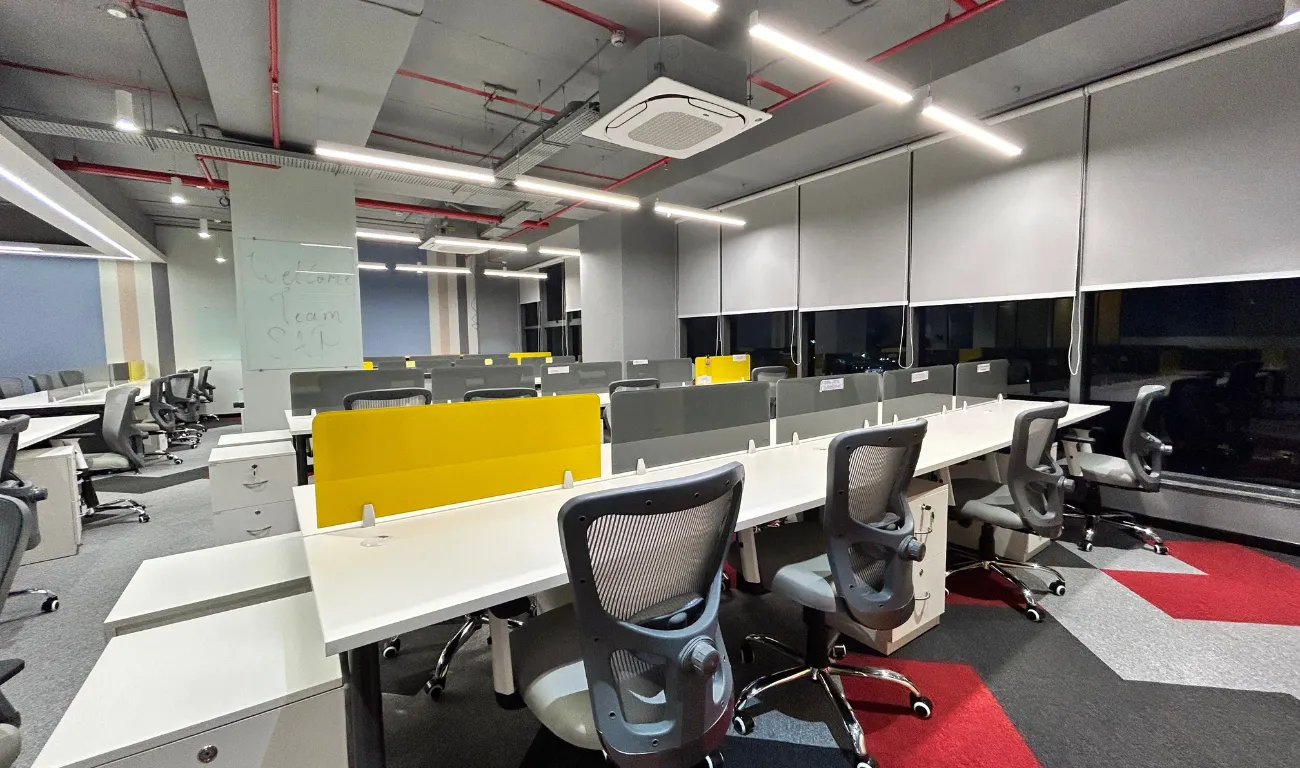
The layouts recommended by foxydroom com directly target this problem. By creating hidden storage zones and clear sight lines, the platform helps your brain find visual rest. You walk into a room and your mind does not have to work. You simply feel calm. This is not decoration. This is psychological design.
One experiment compared two identical offices. One was organized with closed storage. The other had the same items visible on open shelves. Workers in the organized office reported 30 percent less fatigue at the end of the day. They also completed tasks faster. The physical space did not change. Only the visibility of clutter changed.
Advantages And Disadvantages of Space Management
| Strategy | Advantages | Disadvantages |
|---|---|---|
| Modular Furniture | Grows with your changing needs. Pieces can be rearranged for different room shapes. Easy to transport during moves. Add or remove components as required. | Higher price tag than standard options. Assembly can be frustrating. Some connectors wear out over time. |
| Open Concept Layouts | Sunlight reaches deeper into the building. Family members can interact across different activities. Hosting gatherings feels more inclusive. Easier to supervise children while cooking. | Sound carries from every activity. Cooking smells linger in furniture. Hard to find quiet space for calls. Heating and cooling costs often rise. |
| Minimalist Decor | Less time spent dusting and cleaning. Mental clarity from reduced visual noise. Easier to find what you need. Rooms feel more spacious immediately. | Risk of feeling empty or unwelcoming. Frequent visitors may feel uncomfortable. Hard to maintain with children or pets. Personal expression can feel limited. |
| Vertical Storage | Unlocks dead air space near ceilings. Keeps floors clear for movement. Perfect for seasonal or rarely used belongings. Works in garages, closets, and living rooms. | Daily access requires a stool or ladder. Heavy items become dangerous up high. Installation needs proper wall anchors. Some landlords forbid ceiling high shelves. |
Each method has a place. The key is matching the approach to your specific constraints. A renter cannot install built in shelves. A homeowner with young children may not want rolling carts that tip over. foxydroom com helps you select the right combination for your unique situation.
Case Studies from Real Environments
The Warehouse That Gained 2000 Square Feet
A small ecommerce business operated out of a 5000 square foot warehouse. The owner was certain he needed to move to a 7000 square foot space. The rent increase would be significant. Before signing a lease, he used foxydroom com to analyze his current layout.
The platform identified that his shelving only went up to six feet. The warehouse had sixteen foot ceilings. Ten feet of vertical space was completely empty. He installed taller industrial racks and reorganized inventory by pick frequency. The most popular items went at waist level. Slow movers went up high. He gained 2000 square feet of effective storage without moving. The rent increase was avoided entirely.
The Studio Apartment That Gained a Bedroom
A recent graduate lived in a 400 square foot studio. The space had one large room with a bathroom and kitchenette. He struggled to sleep well because his bed was always visible. He felt like he lived at work because his desk shared the same space.
Using foxydroom com, he installed a room divider made of floor to ceiling curtains. The curtain track cost under fifty dollars. During the day, the curtains stayed open. The space felt large and bright. At night, he pulled the curtains closed. He had a separate sleeping area that felt like a real bedroom. His sleep quality improved. His productivity increased. The entire transformation cost less than one hundred dollars.
The Family Home That Stopped Fighting Over Space
A family of four lived in a 1200 square foot house. The children shared a bedroom. The parents worked from home. Constant arguments erupted over noise and privacy. The family considered moving but could not afford a larger home in their neighborhood.
foxydroom com recommended creating personal zones within shared spaces. Each family member received a color coded storage bin and a wall mounted shelf at their own height. The living room was divided into three activity zones using area rugs. One rug defined a quiet reading corner. Another defined a gaming area. The third defined a workspace. No walls were built. No furniture was purchased. The zones were created entirely with rugs and lighting. Arguments dropped significantly within two weeks.
Common Errors That Make Spaces Feel Smaller
Even well intentioned changes can backfire. These are the most frequent mistakes I see people make when trying to improve their space.
Buying More Storage Furniture
When people feel crowded, their first instinct is to buy more shelves, more cabinets, and more bins. This is almost always wrong. Adding furniture to a crowded room makes the room more crowded. The solution is not more storage. It is less stuff and better placement. Remove items before you add containers.
Matching All Furniture Sizes
A living room where every piece is the same height looks flat and boring. More importantly, it wastes vertical space. A tall bookcase next to a low sofa creates visual interest and provides more storage. Mixing heights makes a room feel dynamic and layered. Uniform height makes a room feel like a furniture showroom.
Ignoring the Ceiling
The ceiling is the largest unused surface in any room. Painting it a lighter color than the walls makes the room feel taller. Adding a large light fixture draws the eye upward. Even hanging a single piece of art high on a wall changes how the brain perceives room height. Look up. Your ceiling is an asset you have been ignoring.
Placing Furniture in Front of Windows
Windows are sources of light and visual depth. Putting a sofa or bookshelf in front of a window blocks both. Clear every window. Let light enter freely. If you need privacy, use sheer curtains or bottom up shades that cover only the lower half. Never block a window with furniture.
Using Too Many Small Rugs
A common mistake is placing small rugs in front of each piece of furniture. A rug under the sofa. A rug under the dining table. A rug in the entryway. This chops the floor into visual fragments. The room looks busy and broken. One large rug that extends under multiple furniture pieces unifies the space and makes the floor look continuous.
Designing for Real Life, Not Magazines
Magazine photos show perfect rooms with no clutter. Real life is different. You have mail. You have backpacks. You have groceries waiting to be put away. A space management system that works in real life must account for daily mess.
The foxydroom com approach includes what I call landing zones. These are designated areas for temporary clutter. A bowl near the front door for keys and wallets. A tray on the kitchen counter for mail. A hook on the back of a chair for a jacket that is not quite dirty enough for the closet. Landing zones contain the chaos. They acknowledge that real life is messy but give that mess a specific home.
Without landing zones, temporary items spread across every surface. With landing zones, the same items stay in one place. The rest of the room stays clear. This small addition makes a massive difference in daily life.
Frequently Asked Questions
How do I start if I feel completely overwhelmed?
Pick one drawer. Not a room. Not a closet. One drawer. Empty it. Wipe it down. Put back only the items you have used in the last three months. That is your first win. Do the same for one drawer tomorrow. Within a month, you will have transformed your home without ever feeling overwhelmed.
What is the best storage solution for a family with young children?
Use low, open bins that children can reach without help. Label each bin with a picture as well as words. A picture of socks on the sock bin. A picture of toy cars on the toy bin. When children can see and reach their own storage, they learn to put things away. Low, open, and labeled is the formula that works.
Can I apply these ideas in a rental apartment without losing my deposit?
Yes. Use adhesive hooks that remove without residue. Use tension rods inside closets and between walls. Use furniture that stands on its own without wall mounting. Use removable wallpaper or fabric panels behind shelves. Every solution in this guide has a renter friendly version. You should never need to drill holes to have an organized home.
How do I handle shared storage with a roommate who is messy?
Define clear boundaries. Your shelf. Their shelf. Your bin. Their bin. Do not share storage containers. When boundaries are clear, each person manages their own zone. The shared space stays neutral. If your roommate will not change, focus on making your personal zones highly efficient. You can control your own space even if you cannot control theirs.
What is the single biggest mistake people make?
Keeping things because they might be useful someday. That someday rarely comes. The cost of storing an unused item is higher than the cost of replacing it if you eventually need it. A ten dollar item that sits in storage for five years has cost you fifty dollars in rent or mortgage payments for the space it occupies. Let it go. Buy a new one if someday actually arrives.
Final Thoughts on Space Mastery
Every building has more potential than its owner realizes. The difference between a crowded home and a comfortable home is rarely square footage. It is usually strategy. The tools and techniques shared in this guide work because they target the root causes of inefficiency. Not enough storage. Poor furniture placement. Unseen vertical space. Daily clutter with no home.
foxydroom com exists to guide you through solving each of these problems. The platform provides the roadmap. You provide the willingness to change. Start small. A single drawer. A single shelf. A single corner. Feel the satisfaction of that first improvement. Then do it again.
Your space is not the problem. Your approach to your space is the problem. Change the approach. Change the space. Change how you feel every time you walk through your own front door.


