
 Amy Fischer
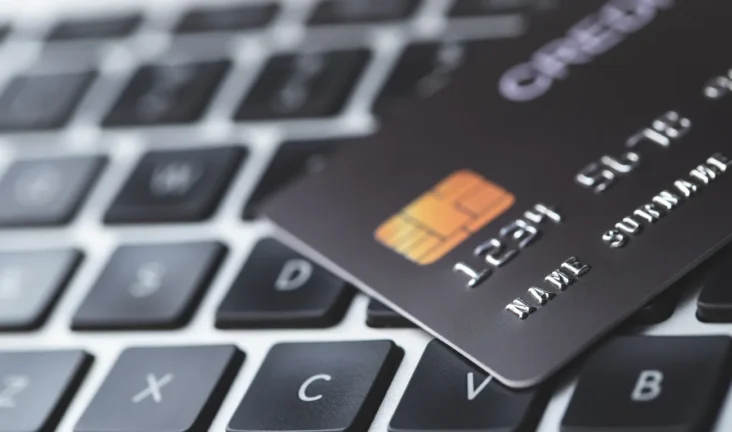
The way we handle money has changed forever. Cash is no longer king. Paper checks are fading into history. Today, money moves through screens, apps, and payment gateways. This shift brings convenience, but it also brings confusion. How do you choose the right payment processor? How do you keep your transactions secure? What are the hidden fees to watch for? That is where webpayblog com comes into play. This resource helps individuals and businesses navigate the complex world of online payments and digital finance.
In this article, we will explore the essentials of digital transactions. You will learn about payment gateways, security measures, and cost saving strategies. Whether you are selling products online, freelancing, or simply paying bills, the information here will help you make smarter financial decisions.
Why Online Payments Matter More Than Ever
The numbers tell a clear story. Global digital payment transactions are expected to reach trillions of dollars annually. Consumers expect to pay with a click or a tap. Businesses that cannot accept online payments lose customers. Individuals who do not understand digital finance miss out on rewards, security features, and convenience.
Online payments are not just for big corporations. A solo freelancer needs to invoice clients across borders. A small bakery needs to accept orders through its website. A family needs to split dinner bills through payment apps. Digital finance touches everyone.
webpayblog com exists to demystify this space. The platform breaks down complicated topics into simple, actionable advice. You do not need a degree in finance to understand your payment options. You just need the right guide.
The Main Types of Online Payment Systems
Before you can choose a solution, you need to understand the landscape. Online payments generally fall into four categories.
Payment Gateways
These are the digital equivalent of a credit card terminal at a physical store. A payment gateway securely transmits transaction data between a website and the bank. Examples include Stripe, PayPal, and Square. Gateways are essential for e commerce stores and service based websites.
Digital Wallets
Digital wallets store payment information on a smartphone or computer. Users load funds or link bank accounts. Then they pay with a tap or a scan. Popular digital wallets include Apple Pay, Google Pay, and Samsung Pay. These are common in retail stores and apps.
Bank Transfers and ACH Payments
Direct bank transfers move money from one account to another without credit cards. ACH payments are popular for recurring bills, payroll, and business to business transactions. They often have lower fees than credit card payments.
Buy Now Pay Later Services
These services allow customers to split purchases into installments. Companies like Afterpay, Klarna, and Affirm offer this option. They appeal to younger shoppers who prefer to avoid credit card debt.
Each type has its own strengths. The best choice depends on your business model, customer base, and budget. webpayblog com provides detailed comparisons to help you decide.
How to Choose the Right Payment Processor
Selecting a payment processor is a major decision. The wrong choice leads to high fees, frustrated customers, and lost sales. Follow these five steps to make a smart selection.
Understand Your Transaction Volume
Are you processing ten payments per month or ten thousand? Some processors charge monthly fees that make sense for high volume businesses. Others charge per transaction and work better for low volume sellers.
Compare Fee Structures
Payment processors make money through fees. Look for setup fees, monthly fees, per transaction fees, and percentage fees. A processor that charges 2.9 percent plus 30 cents per transaction is common. But some charge extra for international cards, currency conversion, or chargebacks. Read the fine print.
Check Security Features
Security is nonnegotiable. Your processor should be PCI compliant. This means they follow industry standards for protecting cardholder data. Look for features like tokenization, encryption, and fraud detection. Never compromise on security to save a few dollars.
Evaluate Customer Support
Payment issues always happen at the worst time. A holiday weekend. A big product launch. Late at night. Choose a processor with 24/7 customer support. Read reviews about response times and problem resolution. Bad support costs you money.
Test the User Experience
Make a small test transaction on your own site. Is the checkout process smooth? Does it work on mobile phones? Do customers have to leave your website to complete the payment? A clunky experience drives customers away. The best processor disappears into the background and just works.
Security Best Practices for Online Payments
Cybercrime is a real threat. Criminals target payment systems because that is where the money lives. Protecting yourself and your customers requires ongoing attention. Follow these rules.
Use Strong Passwords and Two Factor Authentication
A weak password is an open door. Use long, random passwords for all payment accounts. Enable two factor authentication everywhere it is offered. This adds a second check, usually a code sent to your phone, before anyone can log in.
Keep Software Updated
Payment plugins, shopping carts, and website software need regular updates. These updates often patch security holes. Delaying updates leaves you vulnerable. Set up automatic updates when possible.
Monitor Transactions Regularly
Check your payment reports daily. Look for small test transactions that criminals use to check stolen cards. Look for unusual patterns like many small payments or one huge payment. Report suspicious activity immediately.
Never Store Sensitive Data Yourself
Do not keep credit card numbers on your own servers. Use a payment processor that stores this data for you. This shifts the security burden to experts. It also reduces your legal liability if a breach occurs.
The Future of Digital Finance
The world of online payments changes fast. New technologies emerge every year. Here are three trends to watch.
Biometric Authentication
Fingerprints and facial recognition are already used to authorize payments. This technology will expand. Soon, a glance at your phone may be all it takes to complete a transaction.
Cryptocurrency and Stablecoins
Digital currencies like Bitcoin and Ethereum are becoming more accepted. Stablecoins, which are tied to traditional currencies, offer less volatility. Major companies now accept crypto payments. More will follow.
Embedded Finance
Payment systems are moving inside non financial apps. You can already buy a ride, order food, or book a hotel without leaving the app. This embedded approach will become standard. Payments will disappear into the background of every digital experience.
webpayblog com tracks these trends and explains what they mean for you. You do not need to be an early adopter. But you should understand where the industry is heading.
Common Mistakes to Avoid
Many people and businesses make the same errors when starting with online payments. Avoid these pitfalls.
Choosing the Cheapest Processor
Low fees often mean low features or bad support. A processor that saves you fifty dollars per month might cost you a thousand dollars in lost sales during an outage. Value matters more than price.
Ignoring Mobile Users
More than half of online purchases happen on phones. If your payment page does not work perfectly on a small screen, you are losing customers. Test on multiple devices.
Hiding Fees Until Checkout
Customers hate surprise fees. Be transparent about payment costs. Add shipping and taxes early in the checkout process. Hidden fees are the number one reason for abandoned carts.
Forgetting About Recurring Payments
If you offer subscriptions or memberships, you need a processor that handles recurring billing. Not all processors do this well. Check this feature before you commit.
Frequently Asked Questions
What is the difference between a payment gateway and a payment processor?
A gateway transmits transaction data. A processor actually moves the money. Some companies offer both services. Others specialize in one area. For most small businesses, an all in one solution like Stripe or Square is the easiest choice.
How long does it take to receive money from online payments?
This varies by processor. Some deposit funds within one to two business days. Others hold funds for up to a week, especially for new accounts. Read the settlement terms before you start processing.
Are online payments safe for small transactions?
Yes. For small purchases under a certain amount, many processors do not require additional verification. This makes micro transactions fast and easy. However, always use trusted platforms and avoid sending money to strangers.
What happens if a customer disputes a charge?
This is called a charge back. The customer asks their bank to reverse the payment. You then have a chance to provide evidence that the transaction was legitimate. Charge backs cost time and money. Keep good records of every transaction.
Final Thoughts
Online payments and digital finance are not going away. They are becoming more central to how we live, work, and shop. Understanding this world is no longer optional. It is a necessary skill for anyone who earns or spends money in the modern economy.
webpayblog com exists to make this learning process simple. The platform offers clear explanations, practical comparisons, and up to date information. Whether you are launching an online store, freelancing for international clients, or just trying to pay your bills more efficiently, you will find value here.
Start with one small step. Review your current payment setup. Check for better options. Test a new processor. Improve your security. Every improvement, no matter how small, adds up to a smoother, safer, and more profitable digital finance experience.
Your journey to payment mastery begins now. Explore webpayblog com and take control of your digital financial future.


